
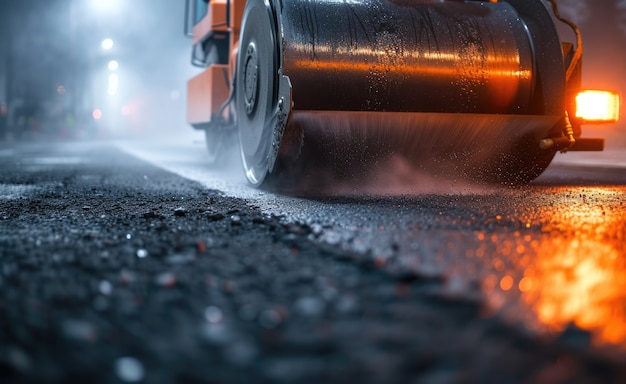
Asphalt patch repair is a crucial task for maintaining the longevity and safety of paved surfaces. Whether dealing with minor cracks or more extensive damage, addressing these issues promptly can prevent further deterioration and costly repairs. Tackling asphalt patch repair like a pro requires an understanding of the proper techniques and materials, as well as an appreciation for the intricacies involved in the process. This guide provides a comprehensive overview of how to approach asphalt patch repair effectively.
Understanding the Basics of Asphalt Patch Repair
Before diving into the repair process, it’s essential to comprehend the fundamental aspects of asphalt patching. Asphalt surfaces are prone to wear and tear due to weather conditions, heavy traffic, and other environmental factors. Effective patch repair involves addressing these damages swiftly to maintain the integrity of the surface.
Types of Asphalt Damage
- Cracks: Small to medium-sized openings in the asphalt surface, often caused by temperature fluctuations and moisture infiltration.
- Potholes: Larger depressions or holes in the pavement resulting from the deterioration of asphalt layers.
- Raveling: The disintegration of the asphalt surface due to the loss of aggregate particles.
Explore advanced guides and tips on identifying and categorizing asphalt damage accurately.
Preparing for Asphalt Patch Repair
Preparation is key to successful asphalt patch repair. Properly evaluating the extent of damage and selecting the right materials will ensure a durable repair.
Steps in Preparation
- Assessment: Conduct a thorough inspection to determine the extent of damage and identify the type of repair needed.
- Cleaning: Remove debris, dirt, and loose particles from the damaged area to ensure a clean surface for patching.
- Material Selection: Choose the appropriate patching materials, considering factors such as the size of the repair and environmental conditions.
For more detailed insights on preparation, discover expert strategies here.
Executing Asphalt Patch Repair
Once preparation is complete, executing the repair with precision is vital. This involves applying the patching materials correctly and ensuring a smooth finish.
Patch Repair Techniques
- Cold Patch Method: Ideal for small repairs, this method involves using pre-mixed asphalt, which can be applied directly to the damaged area.
- Hot Patch Method: Best suited for larger repairs, this technique involves heating the asphalt mix before application for a more durable result.
- Seal Coating: After patching, applying a seal coat can protect the surface from future damage and enhance its appearance.
Learn about our tailored solutions for different patch repair techniques.
Post-Repair Considerations
After completing the patch repair, it’s essential to follow certain post-repair practices to ensure the longevity of the surface.
- Curing Time: Allow the patched area adequate time to cure before subjecting it to traffic.
- Regular Maintenance: Schedule routine inspections to address new damages promptly and prevent further deterioration.
- Feedback: Check out customer reviews here to learn from others’ experiences and improve future repairs.
For more on maintaining asphalt surfaces, find out more about this approach.
Conclusion
Tackling asphalt patch repair like a pro requires a strategic approach and a solid understanding of the process. By following the outlined steps and utilizing the right techniques, you can ensure that your asphalt surfaces remain safe and visually appealing. For further advice and expert recommendations, explore advanced guides and tips. Additionally, see what others are saying about us to gauge the effectiveness of these methods in real-world scenarios.