
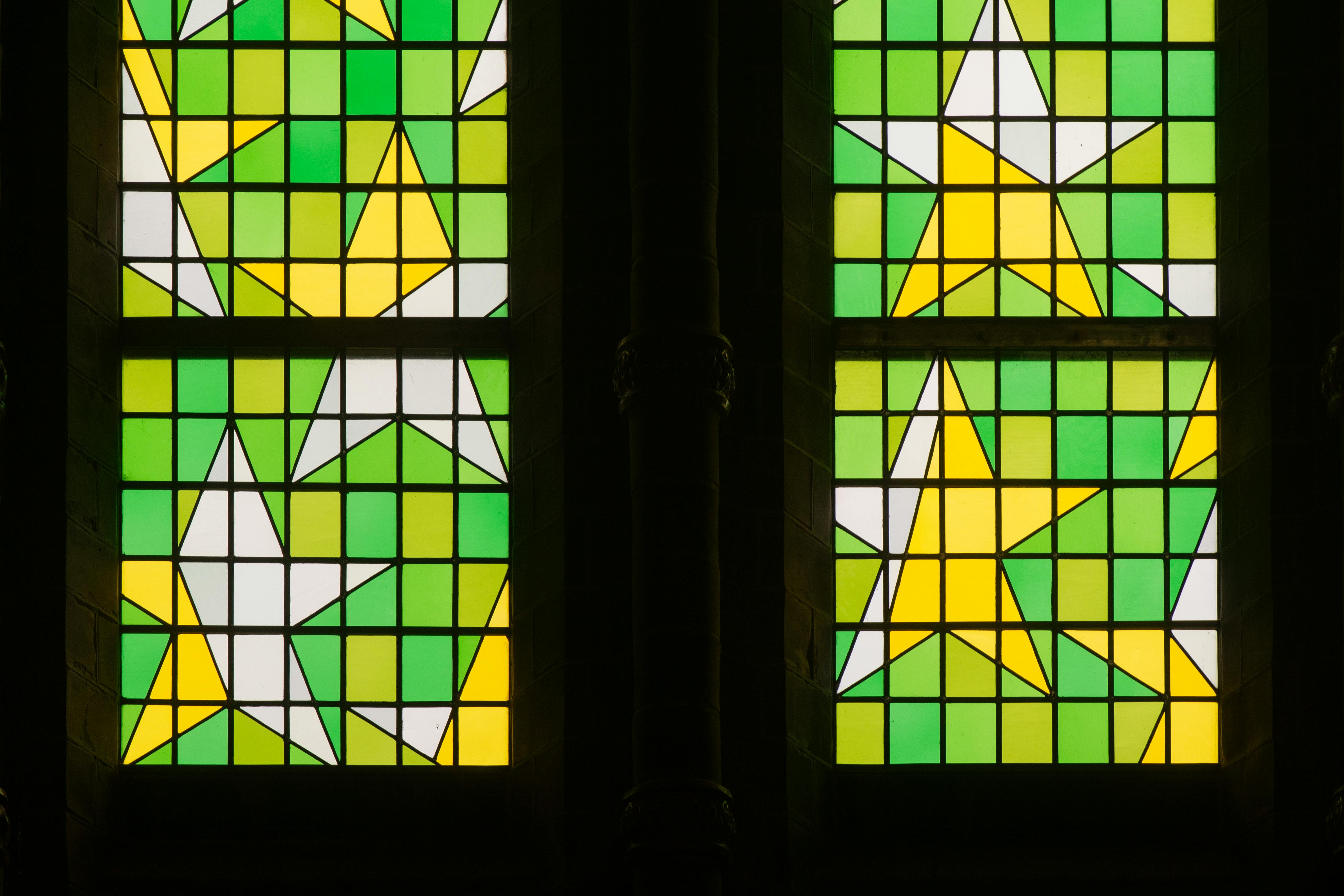
Vacuum glazing, a cutting-edge technology that creates a high-performance insulating pane by evacuating air between two glass layers, is rapidly gaining traction across the United Kingdom. By combining the sleek aesthetics of traditional glazing with the thermal efficiency of modern engineering, it offers a compelling solution for residential, commercial, and heritage projects alike. This article outlines the key considerations, benefits, and practical steps involved in specifying and installing vacuum glazing, helping architects, specifiers, and building owners make informed decisions.
How Vacuum Glazing Works
The principle behind vacuum glazing is simple yet sophisticated: two glass sheets are sealed at the edges, and the air between them is removed to create a near-perfect vacuum. This vacuum dramatically reduces heat transfer by eliminating convection and conduction pathways, while the remaining radiative heat loss is mitigated by low-emissivity (low-E) coatings on the glass surfaces.
Core Components
- Glass panes: Typically 3-6″?mm thick, selected for strength and visual clarity.
- Spacers: Micron-scale pillars (often ceramic) maintain a uniform gap of 0.1-0.2″?mm.
- Edge seal: A hermetic seal, usually aluminium or stainless steel, ensures long-term vacuum integrity.
- Coatings: Low-E layers enhance thermal performance and can be tuned for solar gain.
Key Benefits for UK Projects
When evaluating glazing options for the British climate, vacuum glazing offers several distinct advantages that align with energy-efficiency standards and design aspirations.
- Exceptional U-value: Typical U-values of 0.7-0.9″?W/m????K outperform double and even many triple glazed units.
- Reduced frame depth: The slim profile eliminates the need for deep, heavy frames, preserving sightlines and interior space.
- Weight savings: Lighter than conventional insulated glass units (IGUs), easing handling and reducing structural load.
- Acoustic performance: The narrow gap provides sound insulation comparable to thicker double glazing.
- Design flexibility: Available in clear, tinted, and low-E options, supporting both heritage conservation and contemporary aesthetics.
Regulatory and Compliance Considerations
In the UK, glazing products must meet specific building regulations and standards. Vacuum glazing is no exception, and compliance ensures safety, performance, and eligibility for government incentives.
- Complies with Discover expert strategies here for Part L (conservation of fuel and power) and Part F (ventilation) of the Building Regulations.
- Meets the European EN 1279 series for glass safety, including impact resistance and breakage behavior.
- Eligible for the Green Homes Grant when incorporated into energy-saving retrofits.
Specifying Vacuum Glazing
Accurate specification is crucial to achieve the intended performance and avoid costly revisions. The following checklist guides specifiers through the process.
Performance Criteria
- Target U-value and solar heat gain coefficient (SHGC) based on climate zone.
- Acoustic requirements, especially for urban or transport-adjacent sites.
- Load-bearing capacity and compatibility with existing framing systems.
Design Integration
- Coordinate glass thickness with structural glazing or point-supported systems.
- Plan for edge seal detailing to prevent moisture ingress.
- Consider cleaning and maintenance access; vacuum units require gentle handling.
For detailed guidance on integrating vacuum glazing into complex fa??ades, Explore advanced guides and tips that address both technical and aesthetic aspects.
Installation Best Practices
Successful installation hinges on skilled workmanship and adherence to manufacturer protocols. Key steps include:
- Pre-installation inspection: Verify glass dimensions, edge seal integrity, and spacer uniformity.
- Handling: Use suction cups or padded clamps to avoid point loads that could fracture the thin panes.
- Sealing: Apply the edge seal in a controlled environment to maintain vacuum during curing.
- Quality testing: Perform leak testing (e.g., helium leak detection) before final placement.
Professional installers can reference Learn about our tailored solutions for step-by-step procedures and troubleshooting tips.
Cost Considerations and ROI
While the upfront cost of vacuum glazing exceeds that of conventional double glazing, the long-term savings often justify the investment.
- Energy savings: Reduced heating demand can lower annual energy bills by 15-25% in typical UK homes.
- Lifecycle: The durability of the vacuum seal, when correctly installed, provides a service life of 30+ years.
- Property value: High-performance glazing is a desirable feature that can enhance resale value.
For a deeper financial analysis, Find out more about this approach and access case studies that illustrate payback periods across different building types.
Future Outlook in the UK Market
As the UK pushes toward net-zero carbon targets, demand for high-performance glazing is set to rise. Vacuum glazing aligns with this trajectory by offering superior insulation without compromising design intent. Ongoing research aims to further reduce manufacturing costs and expand the range of available coatings, making the technology even more accessible for large-scale housing projects and historic retrofits.
Conclusion
Vacuum glazing represents a sophisticated, energy-efficient alternative to traditional glazing systems, delivering remarkable thermal performance, aesthetic versatility, and structural benefits. By understanding its operation, regulatory context, and installation requirements, UK architects and developers can confidently incorporate this technology into new builds and refurbishment schemes. Leveraging reputable resources such as Discover expert strategies here ensures that specifications are accurate, installations are flawless, and the long-term benefits are fully realized.