
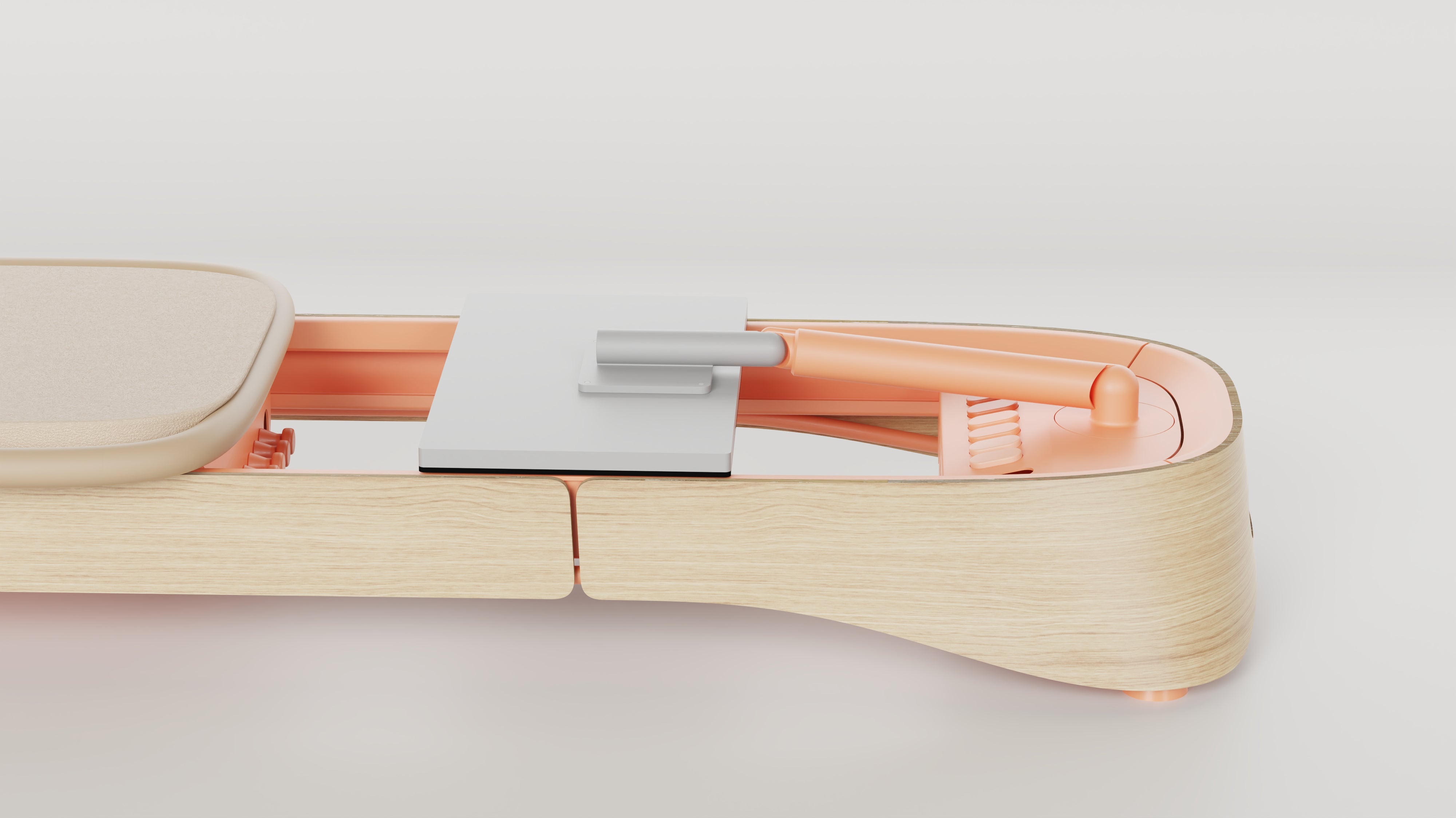
Pilates reformer machines have become a staple in modern home-fitness spaces, offering a low-impact yet highly effective way to build strength, flexibility, and core stability. When paired with thoughtfully designed routines, a reformer pilates machine can transform a modest living room into a professional-grade studio. This guide outlines proven workout structures, safety tips, and progression strategies so that anyone, from beginners to seasoned practitioners, can achieve balanced results without leaving the house.
Why Choose a Reformer for Home Workouts?
The moving carriage, adjustable springs, and versatile accessories of a pilates reformer create a dynamic resistance environment that traditional mat work cannot match. Benefits include:
- Enhanced spinal articulation through guided, low-impact movements.
- Targeted muscle activation that isolates deep stabilizers.
- Scalable resistance that accommodates all fitness levels.
- Compact designs that fit comfortably in apartments or dedicated home gyms.
Choosing the best pilates reformer for home often means balancing size, spring range, and added tech such as built-in screens. Modern models even integrate streaming platforms, turning the equipment into a pilates reformer machine with screen for guided sessions.
Core Workout Structure
A balanced routine should address the four pillars of Pilates: core, flexibility, strength, and breath. Below is a sample 45-minute sequence that can be repeated 3-4 times per week.
Warm-Up (5-7 minutes)
- Footwork on the carriage – 2 minutes of parallel, V-position, and heel-toe variations.
- Spinal articulation – “Cat-Cow” on the reformer, syncing breath with movement.
- Arm circles with light spring tension to activate the shoulders.
Main Set (30 minutes)
- Hundred on the Reformer – Lying supine, legs in a tabletop, arms reaching forward. Maintain 100 pulses while keeping the carriage stable.
- Short Box Series – Sit on the box, perform round-back, flat-back, and side-bending variations to target the deep core.
- Long Stretch – Plank position on the carriage, push and pull the springs to develop full-body strength.
- Standing Leg Press – Use the footbar for single-leg presses, improving balance and glute activation.
- Side-lying Hip Lift – Align the pelvis, lift the top leg against spring resistance for outer thigh work.
Cool-Down (5-8 minutes)
- Mermaid stretch on the side of the carriage for lateral flexibility.
- Spine twist with a light spring to release any residual tension.
- Deep diaphragmatic breathing while gently rocking the carriage.
Progression Strategies
To keep the workouts challenging, consider the following adjustments:
- Increase Spring Tension: Move to heavier springs as strength improves.
- Modify Lever Length: Shorten the footbar distance for greater resistance.
- Add Props: Use resistance bands, a Pilates ball, or a small dumbbell for extra load.
- Incorporate Tempo Changes: Slow the eccentric phase (return) to 3-4 seconds for muscle endurance.
Choosing the Right Equipment for Your Space
When evaluating options, focus on durability, warranty, and the availability of accessories. A well-designed Frame reformer often includes a sturdy aluminum frame, smooth-gliding carriage, and easy-adjust spring stacks. For those seeking a premium aesthetic, a wooden pilates reformer blends functionality with visual appeal.
Cost Considerations and Value
Investing in a quality home pilates reformer can range widely. Factors influencing the price pilates reformer include material, tech integration, and brand reputation. While a basic model may satisfy beginners, a mid-range unit often offers the best balance of durability and features, making it the best at home pilates reformer for most households.
Frequently Asked Questions
How much is a Pilates machine?
Pricing varies from $1,500 for entry-level frames to $4,000+ for premium models with built-in screens and advanced spring systems. The cost of pilates reformer should be weighed against long-term studio memberships.
Can I buy a reformer without professional installation?
Most modern designs arrive in a flat-pack with clear instructions. A single-person assembly is feasible, though a second set of hands can speed up the process. Look for models that advertise “quick-setup” in the product description.
Is a reformer suitable for rehabilitation?
Yes. The low-impact nature of the carriage, combined with adjustable resistance, makes it ideal for post-injury mobility work. Always consult a qualified therapist before beginning a new regimen.
Integrating Technology
Many contemporary reformers feature a reformer pilates with screen that streams classes, tracks progress, and offers real-time cueing. This integration bridges the gap between studio instruction and home convenience, allowing users to buy pilates reformer machine that grows with their skill level.
Final Thoughts
A thoughtfully selected pilates reformer home setup, paired with structured workouts, can deliver studio-quality results without the commute. By focusing on progressive resistance, balanced programming, and reliable equipment, whether it’s a sleek aluminum frame or a frame fitness reformer, pilates enthusiasts can enjoy consistent improvement, injury prevention, and the convenience of training on their own schedule.