
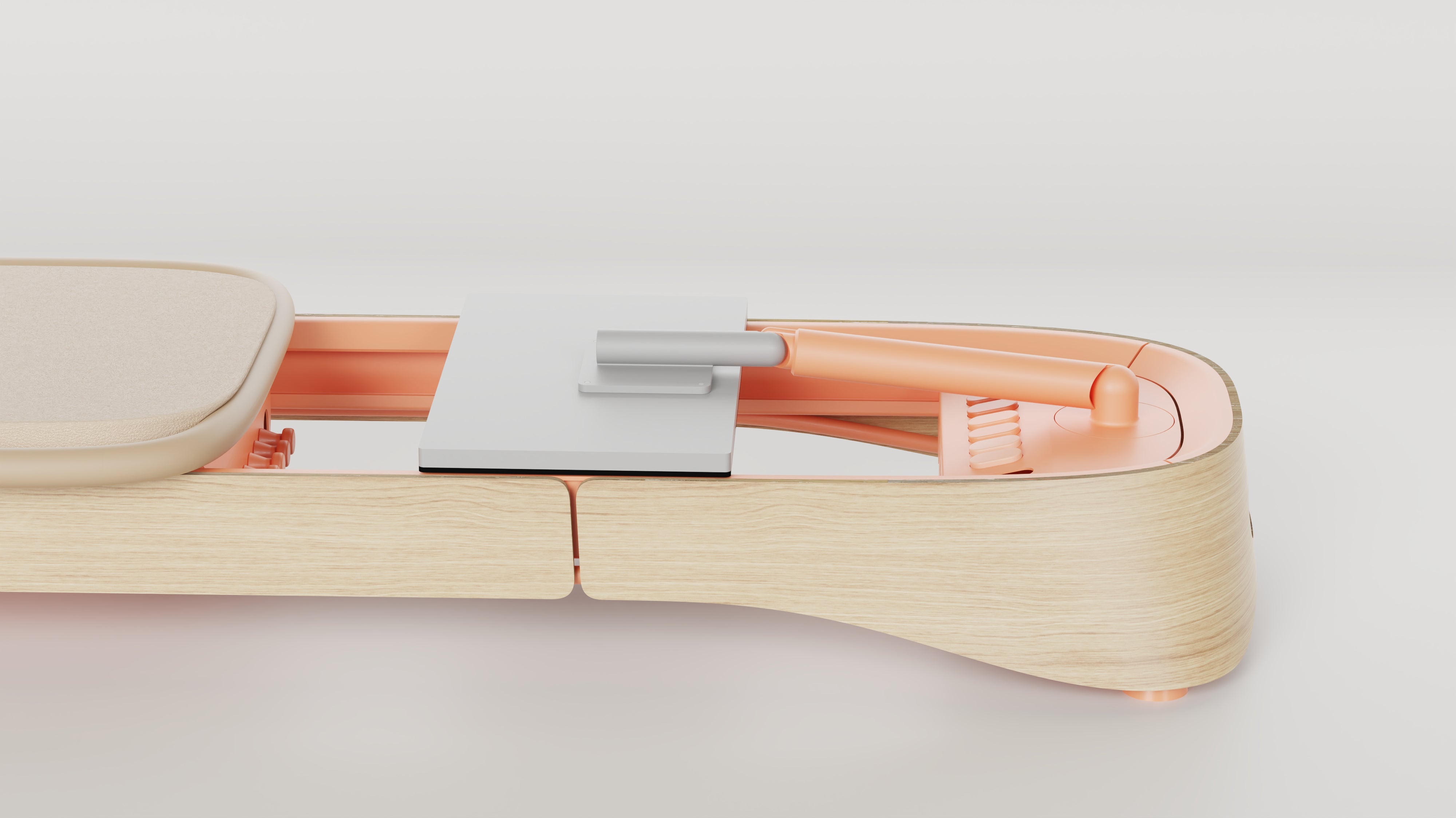
Choosing between a home Pilates reformer and a studio reformer can feel like navigating a maze of specifications, pricing tiers, and space constraints. Both options promise the core benefits of Pilates, enhanced core strength, improved flexibility, and better posture, but they differ in design, durability, and the overall experience they provide. Understanding these differences helps fitness enthusiasts make an informed decision that aligns with their goals, budget, and living environment.
Key Design Differences
Frame and Build Quality
- Studio reformers are typically constructed with heavy-duty steel frames to endure constant, high-intensity use.
- Home reformers often use lighter aluminum or hybrid wood-steel constructions, balancing strength with portability.
- Materials such as polished wood or high-grade aluminum affect both aesthetics and weight capacity.
Footbar and Carriage Adjustability
- Studio models feature multi-position footbars, interchangeable springs, and a carriage that glides on low-friction rollers for smooth motion.
- Home units may offer simplified footbar adjustments and a limited spring range to keep the footprint small.
- Some premium home options incorporate a reformer machine with screen for guided workouts.
Performance and Functionality
Resistance Options
Professional studios often provide a broad spectrum of spring sets, allowing practitioners to fine-tune resistance from very light to extremely heavy. Home reformers usually include a basic set of springs that cover most beginner to intermediate levels, with optional upgrade kits for advanced users.
Range of Motion
- Studio reformers have longer rails, enabling full-range leg extensions and deep spinal articulation.
- Compact home models may have slightly shorter rails, which still support the majority of classic Pilates exercises but might limit extreme extensions.
Technology Integration
Modern reformers increasingly incorporate digital platforms. A pilates reformer pilates machine with an integrated screen can stream classes, track progress, and adjust resistance automatically, bridging the gap between studio instruction and home convenience.
Space Considerations
- Studio reformer: Requires a dedicated workout area, often 8-10 feet in length, with clearance for movement.
- Home reformer: Designed for tighter spaces; many models fold flat or feature wheels for easy relocation.
- Vertical clearance is essential for both, but studio units may need higher ceilings for advanced jumps and aerial work.
Cost Comparison
Price is a decisive factor for many buyers. A commercial studio reformer can range from $3,000 to $7,000, reflecting its robust construction and extensive feature set. Home-oriented models typically fall between $1,200 and $2,800, offering a balance of quality and affordability.
- For those seeking the best pilates reformer for home, consider the total cost of ownership, including optional accessories such as extra springs or a tablet mount.
- Budget-conscious shoppers might explore the price pilates reformer section to compare seasonal discounts.
Durability and Maintenance
Studio reformers are built for heavy daily traffic, often featuring sealed bearings and reinforced joints that require minimal upkeep. Home units, while sturdy, may need more frequent checks on bolt tightness and spring wear, especially if used intensively.
Choosing the Right Option for You
Assess Your Goals
- If you aim for professional-level training, competition preparation, or plan to host group sessions, a studio-grade reformer is the logical choice.
- For personal fitness, rehabilitation, or occasional practice, a high-quality home reformer provides sufficient versatility.
Evaluate Your Space
Measure the intended area, accounting for the reformer’s length, width, and required clearance for footwork. Many home models advertise a compact footprint, search for terms like home pilates machine or at home reformer to locate space-saving designs.
Budget Planning
- Determine the maximum amount you’re willing to invest.
- Look for bundled packages that include a set of springs, a carriage, and a digital subscription.
- Consider long-term value: a durable studio unit may cost more upfront but could last decades with proper care.
Popular Features to Look For
- Adjustable Springs: Enables progression from beginner to advanced resistance.
- Integrated Screen: Provides on-demand classes and real-time feedback.
- Foldable Design: Ideal for apartments or shared spaces.
- Wooden Finish: Aesthetic appeal and added stability, search for wooden pilates reformer if this matters.
- Warranty: Look for at least a two-year coverage on frame and springs.
Where to Find Reliable Options
Specialized retailers often curate a selection of both studio-grade and home-friendly reformers. By exploring product pages that feature terms such as Frame reformer, frame fitness reformer, or frame fitness pilates reformer, shoppers can compare specifications side by side.
For those ready to make a purchase, the buy pilates reformer link leads directly to a catalog that includes detailed dimensions, weight capacities, and customer reviews. If price transparency is a priority, the cost of pilates reformer page breaks down the components that influence the final amount.
Conclusion
Both home and studio Pilates reformers deliver the core benefits of the discipline, but they cater to different environments, budgets, and performance expectations. By weighing factors such as build quality, space requirements, resistance range, and cost, you can select the reformer that best aligns with your lifestyle. Whether opting for a compact home pilates reformer or investing in a commercial-grade unit, the right choice will support consistent practice and long-term wellness.