
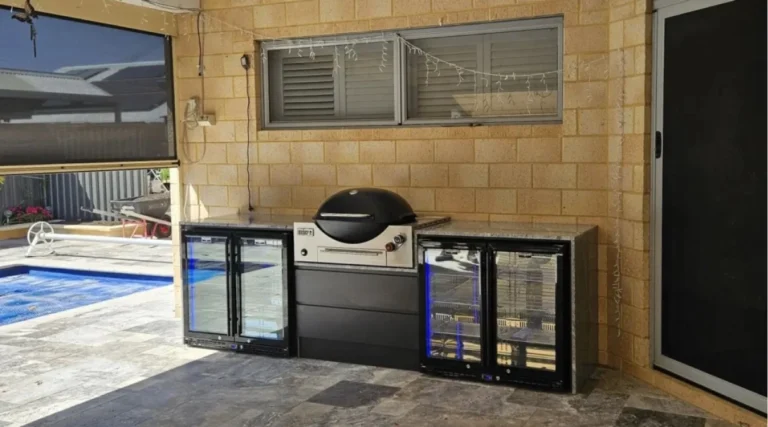
Alfresco kitchens have become a staple of modern outdoor living in Perth, offering a seamless blend of functionality, style, and the region’s famed sunshine. Whether renovating an existing backyard or starting from scratch, understanding the range of materials, layout options, and cost considerations is essential for creating a space that not only looks impressive but also stands up to the local climate. This guide walks through the key decisions involved in planning an alfresco kitchen, helping homeowners make informed choices that balance aesthetics, durability, and budget.
Choosing the Right Materials
Material selection drives both the visual impact and longevity of an alfresco kitchen. Perth’s coastal environment demands products that resist salt-air corrosion, UV fading, and temperature fluctuations. Below are the most common material categories and their pros and cons.
Stone Surfaces
- Granite: Highly durable, heat-resistant, and available in a wide range of colors. Requires periodic sealing to prevent staining.
- Quartz: Engineered stone that offers consistent patterns and low maintenance. Not as heat-tolerant as granite, so avoid direct placement of hot pans.
- Natural Slate: Provides a rustic, textured look. Excellent slip resistance but can be prone to staining if not sealed.
Metal Elements
- Stainless Steel: The industry standard for countertops, sinks, and appliances. Resists rust and is easy to clean, making it ideal for high-traffic zones.
- Aluminium: Lightweight and resistant to corrosion, often used for framing and cabinetry. Can be painted to match any design palette.
- Bronze & Copper: Offer a warm, aged patina that develops over time. Require regular polishing if a polished finish is desired.
Wood & Composite Decking
- Hardwood (e.g., Merbau, Spotted Gum): Provides a natural, warm aesthetic. Must be treated with a UV-stable oil or sealant to prevent fading.
- Composite Decking: Low-maintenance alternative that mimics wood grain while resisting rot and splintering.
Tile & Ceramic
- Porcelain Tiles: Highly resistant to moisture and temperature changes. Ideal for splash-back areas and flooring.
- Terracotta & Clay Tiles: Offer a Mediterranean vibe but need sealing to avoid water absorption.
When selecting materials, consider the overall design theme and how each component will interact with the others. For example, pairing a stainless steel countertop with a natural stone island creates a balanced contrast that feels both contemporary and timeless.
Effective Layouts for Alfresco Kitchens
The layout determines workflow efficiency, social interaction, and the overall feel of the outdoor space. Below are three popular configurations that suit a range of property sizes and lifestyle needs.
Linear (One-Wall) Layout
- Best for narrow or rectangular patios.
- All appliances and work surfaces are aligned along a single wall, maximizing open floor space.
- Ideal for casual cooking and entertaining, as guests can gather opposite the work zone.
L-Shaped Layout
- Provides two adjoining countertops, creating a natural “kitchen corner.”
- Facilitates a clear separation between cooking, prep, and serving areas.
- Works well with built-in grills, pizza ovens, or a dedicated beverage station.
Island Layout
- Creates a focal point and encourages interaction between the cook and guests.
- Allows for additional storage, a sink, or a prep surface beneath the island.
- Requires a larger footprint, but the visual impact and functionality are unmatched.
Regardless of the chosen configuration, maintain at least 1.2″?m of clear circulation space around the cooking zone to comply with safety standards and to ensure comfortable movement for multiple guests.
Cost Considerations
Budget planning for an alfresco kitchen in Perth involves more than just the price of appliances. Material quality, labor, permits, and ancillary features such as lighting or weatherproofing all contribute to the final figure. Below is a breakdown of typical cost ranges.
Material Costs
- Stone countertops: AUD”?$250-$500 per square metre.
- Stainless steel appliances: AUD”?$1,200-$4,500 each, depending on brand and features.
- Decking (hardwood): AUD”?$150-$250 per square metre; composite: AUD”?$120-$200 per square metre.
- Tile flooring: AUD”?$80-$180 per square metre.
Labor & Installation
- General contractor fees: 10-15″?% of total project cost.
- Specialist trades (e.g., stone fabricators, electricians): AUD”?$80-$120 per hour.
- Permits and inspections: AUD”?$300-$800, depending on local council requirements.
Additional Features
- Outdoor lighting (LED strips, pendant lights): AUD”?$200-$800 per fixture.
- Weatherproof cabinetry: AUD”?$150-$300 per linear metre.
- Built-in refrigeration or wine coolers: AUD”?$1,000-$3,000.
For a mid-range alfresco kitchen, expect a total investment of approximately AUD”?$25,000-$45,000. High-end projects with premium stone, custom cabinetry, and advanced appliances can exceed AUD”?$80,000. Adjusting material choices, such as opting for composite decking over hardwood, can significantly reduce costs without compromising durability.
Integrating outdoor kitchens perth Trends
Current trends in Perth’s outdoor culinary scene emphasize sustainability, smart technology, and seamless indoor-outdoor flow. Incorporating solar-powered lighting, energy-efficient appliances, and recycled materials aligns the alfresco kitchen with environmentally conscious design. Additionally, smart controls for grills, refrigeration, and lighting can be managed via mobile apps, enhancing convenience during gatherings.
Maintenance Tips for Longevity
Proper upkeep ensures that an alfresco kitchen remains functional and attractive for years.
- Regular Cleaning: Wipe down stone surfaces with pH-neutral cleaners; avoid harsh acids that can etch the surface.
- Sealing: Re-seal natural stone and wood decks every 12-18 months to protect against moisture and UV damage.
- Inspect Fasteners: Check stainless steel brackets and screws for corrosion, especially after heavy rain or sea breezes.
- Cover Appliances: Use weather-proof covers when the kitchen is not in use to extend the life of grills and refrigerators.
Conclusion
Designing an alfresco kitchen in Perth involves a thoughtful balance of material durability, functional layout, and realistic budgeting. By selecting climate-appropriate materials, choosing a layout that supports both cooking efficiency and social interaction, and planning for ongoing maintenance, homeowners can create an outdoor space that adds value, enjoyment, and a distinctive culinary experience. For inspiration and a curated selection of products tailored to Western Australian conditions, explore the range of alfresco kitchens perth and discover how professional design can transform any backyard into a year-round entertaining hub.