
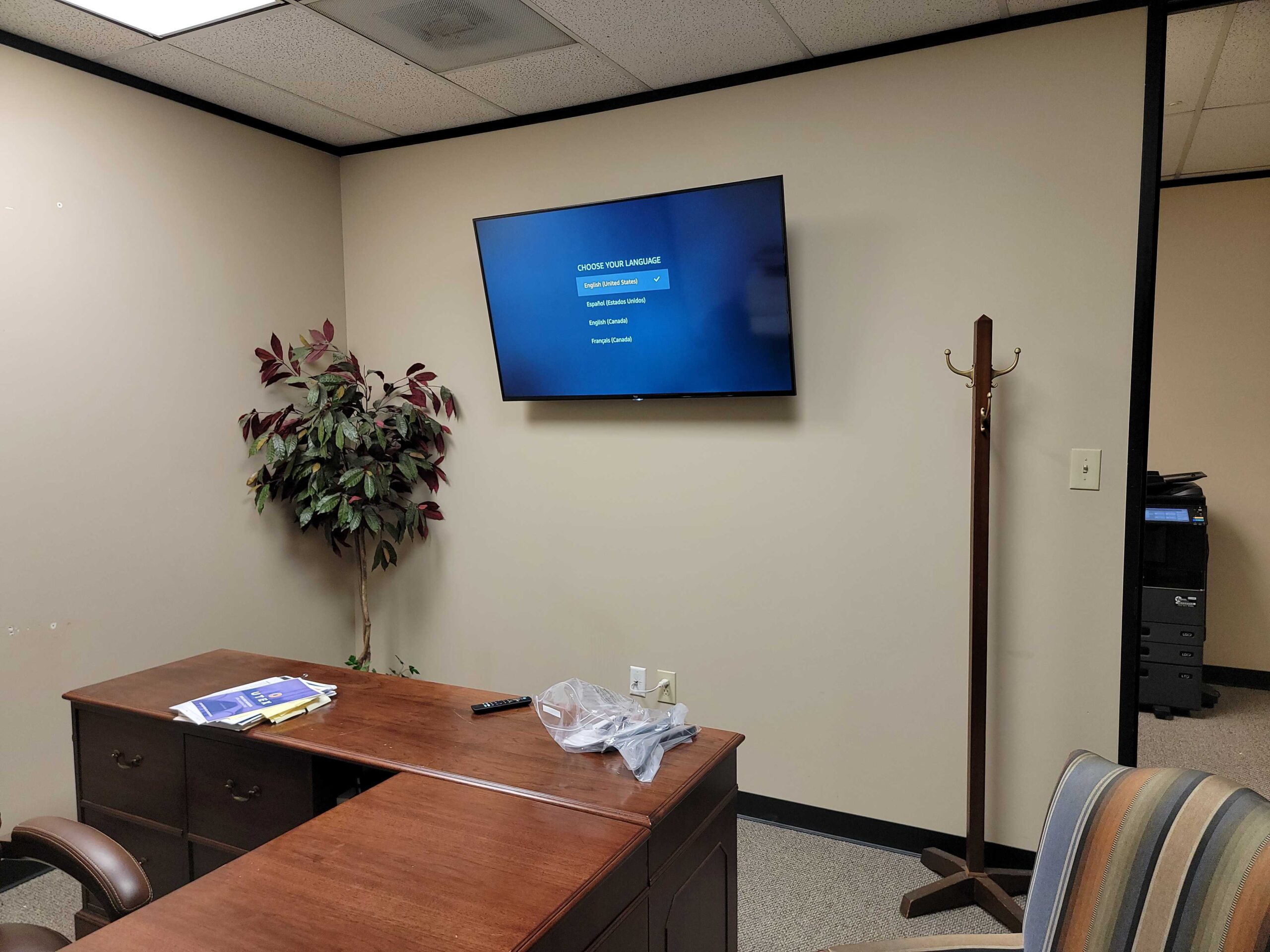
Setting up a home theater audio system can be a daunting task, especially for those who are new to the world of home entertainment. With so many different components and technologies to consider, it’s easy to feel overwhelmed and unsure of where to start. However, with a little planning and research, you can create a truly immersive and engaging audio experience in the comfort of your own home. To get started, it’s essential to understand the key components of a home theater audio system and how they work together to provide an exceptional listening experience.
Understanding Home Theater Audio Components
A home theater audio system typically consists of several key components, including a receiver or amplifier, speakers, a subwoofer, and a source device such as a Blu-ray player or streaming device. Each of these components plays a critical role in delivering high-quality sound to your ears. For example, the receiver or amplifier is responsible for powering the speakers and providing the necessary signal strength to deliver clear and detailed sound. The speakers, on the other hand, are responsible for converting the electrical signal into sound waves that we can hear.
Choosing the Right Speakers for Your Home Theater
When it comes to selecting speakers for your home theater, there are several factors to consider. First and foremost, you’ll want to think about the size and layout of your room. Larger rooms require more powerful speakers to ensure that the sound is evenly distributed throughout the space. You’ll also want to consider the type of sound you’re looking for. Do you prefer a warm, rich sound or a bright, detailed sound? Different types of speakers are designed to produce different types of sound, so it’s essential to choose the right ones for your needs.
- Look for speakers with a high sensitivity rating, which indicates how efficiently they convert electrical energy into sound.
- Consider the speaker’s frequency response, which should be able to produce a wide range of frequencies, from deep bass notes to high treble notes.
- Think about the speaker’s power handling capacity, which should be able to handle the maximum amount of power that your receiver or amplifier can produce.
Calibrating Your Home Theater Audio System
Once you’ve selected the right speakers for your home theater, it’s time to calibrate your system. This involves adjusting the settings on your receiver or amplifier to optimize the sound for your specific room and speaker configuration. This may involve setting the speaker levels, adjusting the crossover frequencies, and tweaking the equalization settings. By taking the time to calibrate your system, you can ensure that your home theater audio system sounds its best and provides an immersive and engaging listening experience.
For more information on calibrating your home theater audio system, Read more about this topic and learn how to get the most out of your system.
Conclusion
Setting up a home theater audio system can be a complex and time-consuming process, but with the right guidance and support, you can create a truly exceptional listening experience in the comfort of your own home. By understanding the key components of a home theater audio system, choosing the right speakers for your needs, and calibrating your system to optimize the sound, you can enjoy a truly immersive and engaging audio experience that will transport you to new heights. With a little patience and practice, you can become a home theater audio expert and enjoy the thrill of listening to your favorite movies and music in a whole new way.
For additional information on home theater audio systems, Explore further insights here and discover the secrets to creating a truly exceptional listening experience.
By following the tips and advice outlined in this article, you can create a home theater audio system that will provide you with hours of entertainment and enjoyment. So why wait? Start planning your home theater audio system today and get ready to experience the thrill of immersive sound in the comfort of your own home.