
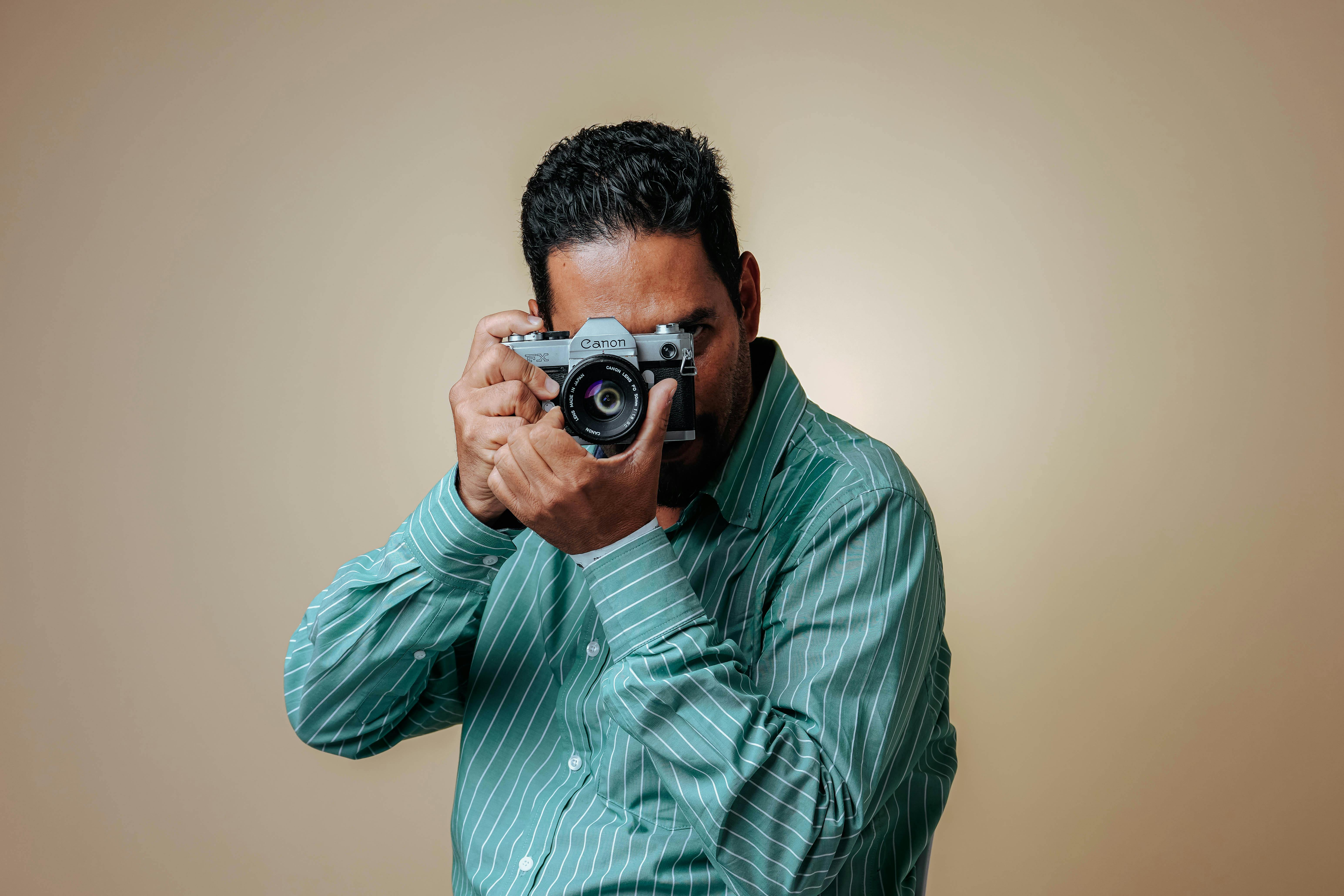
Business portrait photography is a crucial aspect of professional branding in today’s fast-paced business world. A well-executed portrait can elevate an individual’s professional image, convey confidence and authority, and leave a lasting impression on clients and colleagues. However, capturing the perfect business portrait requires more than just a good camera; it demands a deep understanding of composition, lighting, and subject interaction.
When it comes to business portrait photography, the key is to create a visually appealing and engaging image that captures the subject’s personality and professionalism. This can be achieved by paying attention to the details, such as the background, lighting, and pose. A cluttered or distracting background can detract from the subject’s image, while poor lighting can create unflattering shadows and highlights. On the other hand, a well-placed background and strategic lighting can create a flattering and professional image.
One of the most important aspects of business portrait photography is the subject’s pose and expression. A confident and relaxed subject is essential for capturing a natural and authentic image. This can be achieved by putting the subject at ease and encouraging them to relax and be themselves. It’s also essential to experiment with different poses and angles to find the most flattering and natural look. For more information on how to pose your subject for a business portrait, read more about this topic.
Lighting in Business Portrait Photography
Lighting is another critical aspect of business portrait photography. The right lighting can create a flattering and professional image, while the wrong lighting can create unflattering shadows and highlights. Natural light is often the most flattering type of light, but it can be challenging to work with, especially in indoor settings. When working with natural light, it’s essential to position the subject near a window or outside to take advantage of the soft, gentle light.
On the other hand, artificial light can be more controlled and flexible, but it can also be more challenging to work with. It’s essential to experiment with different types of artificial light, such as softboxes and umbrellas, to find the most flattering and natural look. For more information on how to work with lighting in business portrait photography, explore further insights here.
Composition in Business Portrait Photography
Composition is another critical aspect of business portrait photography. The composition of the image can make or break the overall impact and professionalism of the image. A well-composed image can create a sense of balance and harmony, while a poorly composed image can create a sense of chaos and disorder.
When it comes to composition, it’s essential to pay attention to the rule of thirds, leading lines, and framing. The rule of thirds involves dividing the image into thirds both horizontally and vertically, and placing the subject along one of these lines. Leading lines involve using lines in the image to lead the viewer’s eye to the subject, while framing involves using objects or shapes in the image to frame the subject.
For more information on how to compose a business portrait, find additional information here.
Using Backgrounds in Business Portrait Photography
The background of the image can also play a critical role in the overall impact and professionalism of the image. A cluttered or distracting background can detract from the subject’s image, while a well-chosen background can create a flattering and professional image.
When it comes to choosing a background, it’s essential to consider the subject’s profession and personality. For example, a background with a cityscape or skyline may be more suitable for a business professional, while a background with a natural landscape may be more suitable for a creative professional.
For more information on how to choose a background for a business portrait, learn more in this detailed guide.
Conclusion
In conclusion, business portrait photography is a complex and nuanced field that requires a deep understanding of composition, lighting, and subject interaction. By paying attention to the details, such as the background, lighting, and pose, photographers can create a visually appealing and engaging image that captures the subject’s personality and professionalism. Whether you’re a seasoned professional or just starting out, find additional information here to help you improve your skills and create stunning business portraits.