
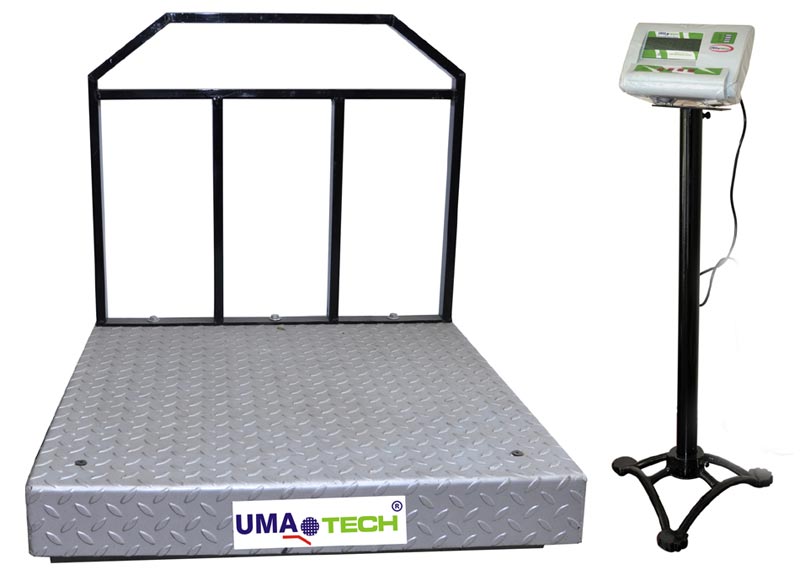
Selecting the proper industrial floor weighing scale is a critical decision that can affect productivity, safety, and cost efficiency across a wide range of operations, from bulk material handling to precision manufacturing. With countless models on the market, understanding the key specifications, environmental considerations, and integration requirements helps ensure that the chosen scale delivers reliable performance and long-term value for the business.
Understanding Core Scale Specifications
Before diving into specific product families, it’s essential to grasp the fundamental technical parameters that define a floor scale’s capability.
- Capacity Range: Determines the maximum load the scale can accurately measure. Choose a capacity that comfortably exceeds the heaviest routine load to avoid over-stress.
- Accuracy Class: Expressed as a percentage of the full scale (e.g., 0.1% FS). Higher accuracy is vital for applications such as batching or quality control.
- Platform Size and Material: Larger platforms accommodate bulky items, while stainless-steel or galvanized surfaces resist corrosion in harsh environments.
- Load Cell Type: Strain-gauge, hydraulic, or pneumatic load cells each have distinct durability and temperature tolerance profiles.
- Environmental Rating: IP ratings (e.g., IP65) indicate protection against dust and water, crucial for outdoor or wash-down settings.
Key Factors for Matching Scale to Business Needs
1. Application Type
Different industries prioritize distinct features:
- Bulk Material Handling: Requires high capacity, robust platforms, and often integrated conveyor weigh-in-motion systems.
- Precision Manufacturing: Demands tight accuracy, low hysteresis, and often a compact footprint.
- Food & Pharmaceutical: Needs hygienic surfaces, easy cleaning, and compliance with FDA or GMP standards.
2. Installation Environment
Assess floor conditions, temperature extremes, and exposure to chemicals or moisture. A scale with an appropriate IP rating and corrosion-resistant platform will reduce downtime.
3. Integration with Existing Systems
Modern floor scales often communicate via Ethernet, RS-485, or wireless protocols. Ensure compatibility with ERP, WMS, or PLC systems to automate data capture and reporting.
Choosing the Right Scale Series
When evaluating product lines, consider those that align with the identified requirements. Discover expert strategies here provides a comprehensive overview of available models, making it easier to compare capacities, accuracy classes, and optional accessories.
- Heavy-Duty Platform Scales: Ideal for loads up to several tons, featuring reinforced frames and high-capacity load cells.
- Compact Precision Scales: Suited for limited space environments where accuracy outweighs maximum load.
- Wash-Down Certified Scales: Designed for food processing plants with stainless-steel platforms and sealed electronics.
Essential Accessories and Enhancements
To maximize performance and safety, consider the following add-ons:
- Protective Guard Rails: Prevent accidental overloads and protect operators.
- Load Cell Temperature Compensation Units: Maintain accuracy in extreme climates.
- Wireless Data Transmitters: Enable real-time monitoring without extensive cabling.
- Integrated Weigh-In-Motion Modules: Allow continuous weighing of moving pallets or containers.
Maintenance Best Practices
Regular upkeep extends the lifespan of floor scales and preserves measurement integrity.
- Schedule calibration checks at least annually, or more frequently in high-precision settings.
- Inspect load cells and platform for signs of corrosion, wear, or mechanical damage.
- Keep the weighing area clean and free of debris that could affect load distribution.
- Verify firmware updates to maintain compatibility with evolving communication standards.
Cost Considerations and ROI
While initial purchase price is a visible factor, total cost of ownership (TCO) includes installation, training, maintenance, and potential productivity gains. A scale that reduces manual handling time or minimizes product waste can quickly offset its expense.
For a deeper dive into budgeting strategies and long-term benefits, Explore advanced guides and tips that outline case studies and ROI calculations specific to various industries.
Final Checklist Before Purchase
- Confirm capacity exceeds peak load by at least 20%.
- Verify accuracy class matches quality control requirements.
- Ensure platform material and finish suit the operating environment.
- Check compatibility with existing data acquisition systems.
- Plan for required accessories and future scalability.
By systematically evaluating these criteria, businesses can select an industrial floor weighing scale that not only meets current operational demands but also adapts to future growth. The right choice translates into improved efficiency, reduced downtime, and more accurate inventory management, key drivers of competitive advantage in today’s market.