
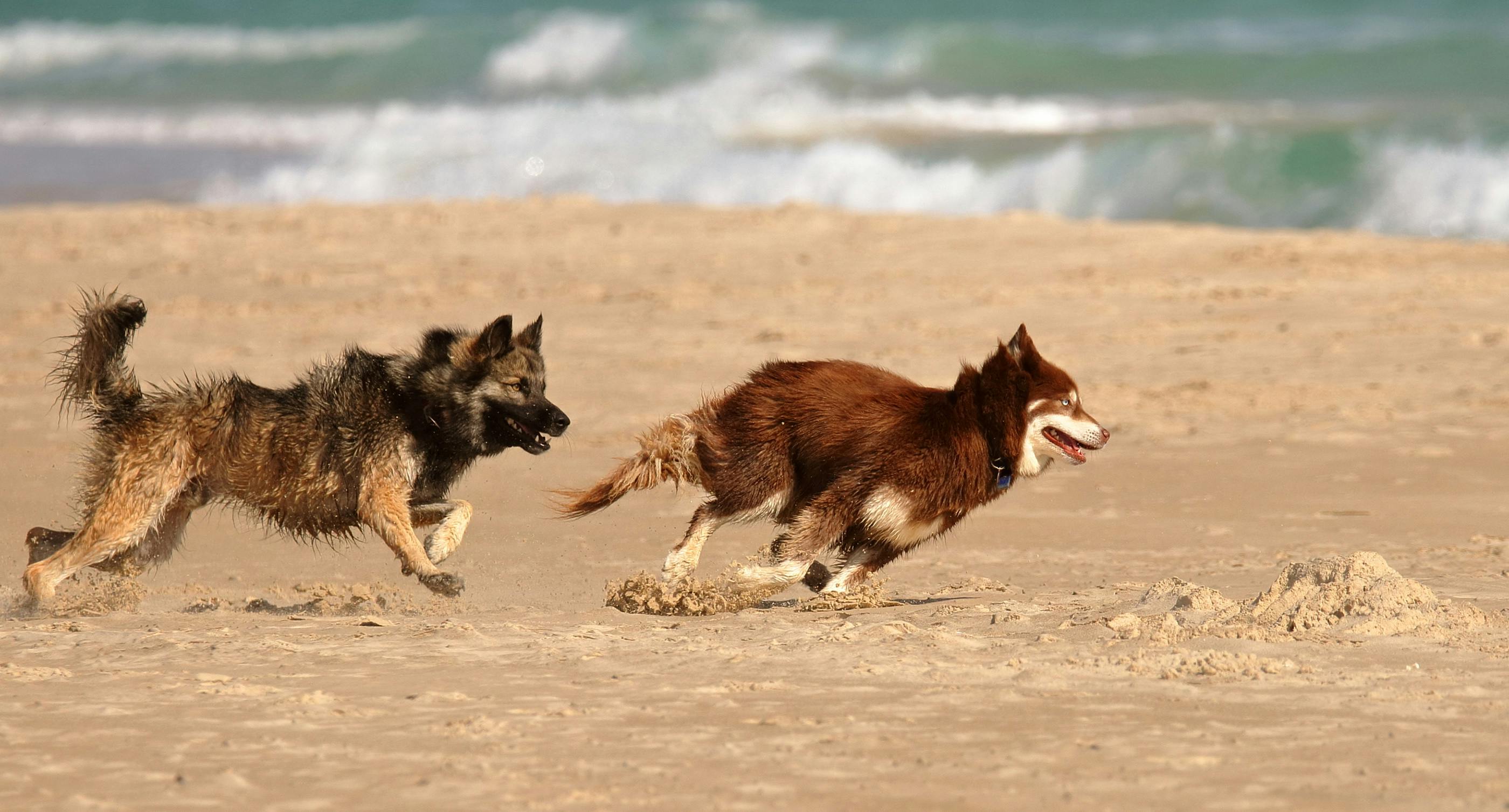
Keeping a dog physically active and mentally stimulated is a cornerstone of responsible pet ownership. In bustling neighborhoods where time is limited, professional dog running services provide a reliable solution that blends exercise, socialization, and safety. By partnering with trained runners, owners can ensure their canine companions receive consistent, high-quality workouts that match breed-specific needs and individual energy levels. This article outlines the key advantages of these services, offers guidance on selecting the right provider, and shares practical tips to maximize the benefits for both pet and owner.
Why Professional Dog Running Matters
Regular, structured exercise goes beyond a simple walk. It influences health, behavior, and overall well-being. Professional dog runners bring expertise that transforms a routine outing into a targeted fitness session.
Health Benefits
- Improves cardiovascular health and weight management.
- Strengthens muscles, joints, and flexibility, reducing the risk of injury.
- Enhances mental sharpness through varied routes and scent work.
Behavioral Advantages
- Reduces excess energy that can lead to destructive habits.
- Promotes calmness at home by satisfying natural instincts.
- Encourages positive social interactions with other dogs and people.
For a deeper dive into the science behind these outcomes, Discover expert strategies here.
Choosing the Right Dog Running Service
Selecting a provider involves more than just proximity. Consider the following criteria to ensure a safe and effective partnership.
- Certification and Training: Runners should hold certifications in canine first aid, behavior assessment, and leash handling.
- Tailored Plans: Look for services that customize routes and intensity based on breed, age, and health status. Learn about our tailored solutions.
- Insurance and Background Checks: Verify that the company carries liability insurance and conducts thorough vetting of staff.
- Client Feedback: Review testimonials and ask for references to gauge reliability.
What to Expect During a Running Session
A typical session is structured to balance safety with vigorous activity. Below is a step-by-step overview of the process.
- Pre-Run Assessment: The runner evaluates the dog’s current condition, checking for signs of fatigue, injury, or stress.
- Warm-Up Phase: Light leash walking and gentle stretches prepare muscles for the upcoming workout.
- Core Run: Depending on the dog’s stamina, the run may last 20-45 minutes, incorporating varied terrain and controlled sprints.
- Cool-Down & Hydration: A slower walk and water break help the dog recover and prevent dehydration.
- Post-Run Report: The runner provides a brief summary, noting distance covered, behavior observations, and any recommendations.
For a comprehensive guide to session planning, Explore advanced guides and tips.
Tips for Maximizing the Benefits of Dog Running Services
Owners can enhance the effectiveness of professional runs by following a few simple practices.
- Maintain Consistency: Schedule regular sessions (at least three times a week) to build endurance.
- Provide Proper Nutrition: Feed a balanced diet and allow a short digestion period before runs.
- Monitor Weather Conditions: Adjust intensity on hot or cold days; early morning or evening runs are often ideal.
- Communicate Health Changes: Inform the runner of any new medications, injuries, or behavioral shifts.
- Incorporate Play: Allow brief periods of fetch or scent games to keep the experience enjoyable.
Additional insights on integrating these habits can be found at Find out more about this approach.
Frequently Asked Questions
How often should a dog participate in professional runs?
Frequency depends on age, breed, and health. Generally, 3-4 sessions per week provide optimal conditioning without overexertion.
Are there special considerations for senior dogs?
Yes. Senior dogs benefit from shorter, low-impact runs on softer surfaces, with extra warm-up and cool-down time. A runner experienced with geriatric care can adjust the program accordingly.
What equipment is required?
Most services provide a sturdy, properly fitted harness and a leash. Owners should ensure their dog’s collar is up-to-date and that any required medications are readily available.
Can the runner accommodate dogs with special needs?
Professional services often have expertise in handling dogs with mobility issues, anxiety, or medical conditions. Discuss specific requirements during the initial consultation.
Conclusion
Efficient dog running services bridge the gap between a busy lifestyle and a dog’s need for regular, purposeful exercise. By selecting a qualified provider, understanding the structure of each session, and supporting the routine with proper care at home, owners can foster healthier, happier pets. Leveraging the expertise found at reputable sources, such as the detailed resources available at Discover expert strategies here, ensures that every run contributes to a stronger bond and a more vibrant canine companion.