
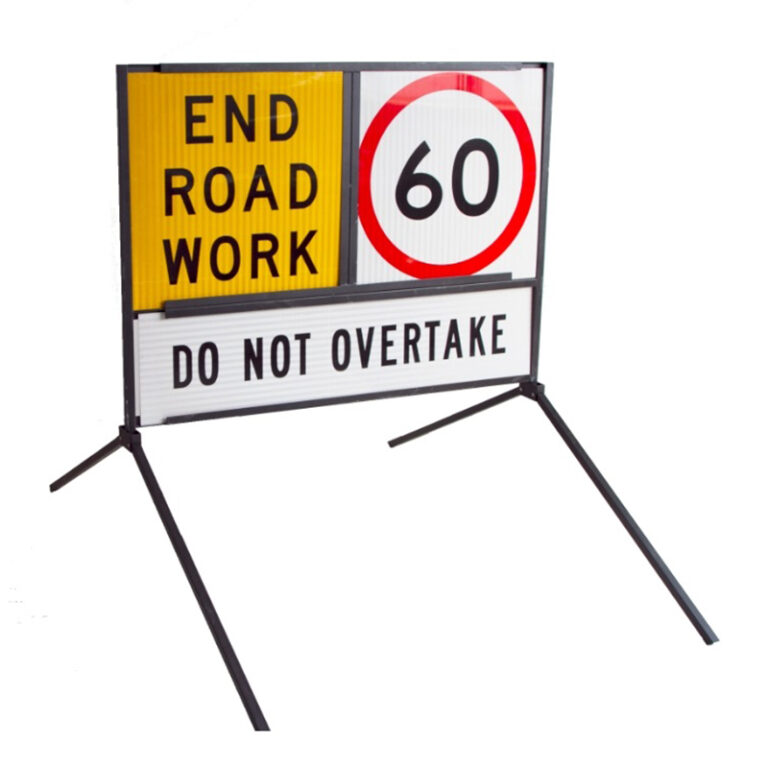
Safety signs play a vital role in maintaining a safe and healthy environment in any community. These signs are not only a requirement by law but also a necessity for preventing accidents and injuries. With the right safety signs in place, businesses and organizations can significantly reduce the risk of accidents and create a secure environment for their employees, customers, and visitors.
Importance of Safety Signs
Safety signs serve as a warning system, alerting people to potential hazards and dangers. They are a crucial tool in preventing accidents and ensuring compliance with safety regulations. The importance of safety signs cannot be overstated, as they help to:
- Prevent accidents and injuries
- Comply with safety regulations and laws
- Reduce liability and risk
- Improve workplace safety and health
Types of Safety Signs
There are various types of safety signs available, each designed to serve a specific purpose. Some of the most common types of safety signs include:
- Safety signs that indicate potential hazards and dangers
- Custom safety signs that can be designed to meet specific needs and requirements
- Traffic safety signs that help to prevent accidents and injuries in high-traffic areas
Benefits of Custom Safety Signs
Custom safety signs offer a range of benefits, including:
- Increased visibility and effectiveness
- Improved compliance with safety regulations
- Enhanced workplace safety and health
- Reduced liability and risk
When it comes to custom safety signs, businesses and organizations have a wide range of options available. They can choose from a variety of materials, designs, and sizes to create signs that meet their specific needs and requirements. With custom safety signs, businesses can ensure that their signs are effective, visible, and compliant with safety regulations.
Designing Effective Safety Signs
Designing effective safety signs requires careful consideration of several factors, including:
- The type of hazard or danger being indicated
- The audience being targeted
- The environment in which the sign will be displayed
- The message being conveyed
When designing safety signs, businesses and organizations should consider the following best practices:
- Use clear and concise language
- Choose colors and fonts that are easy to read
- Use images and graphics to convey the message
- Make sure the sign is visible and easily readable
By following these best practices and designing effective safety signs, businesses and organizations can significantly reduce the risk of accidents and injuries, and create a safe and healthy environment for their employees, customers, and visitors.